Picture two quilts, same size, same design, draped over the couch in two different rooms. One is stitched in reds and golds and says let's get ready for a girls' night in. The other is done in blues and greens and says lie down, breathe, rest. Same construction. Completely different feeling.
That's color temperature, and it's one of the easiest ways to decide how a quilt feels before you ever thread a needle.
What Warm and Cool Mean in Fabric
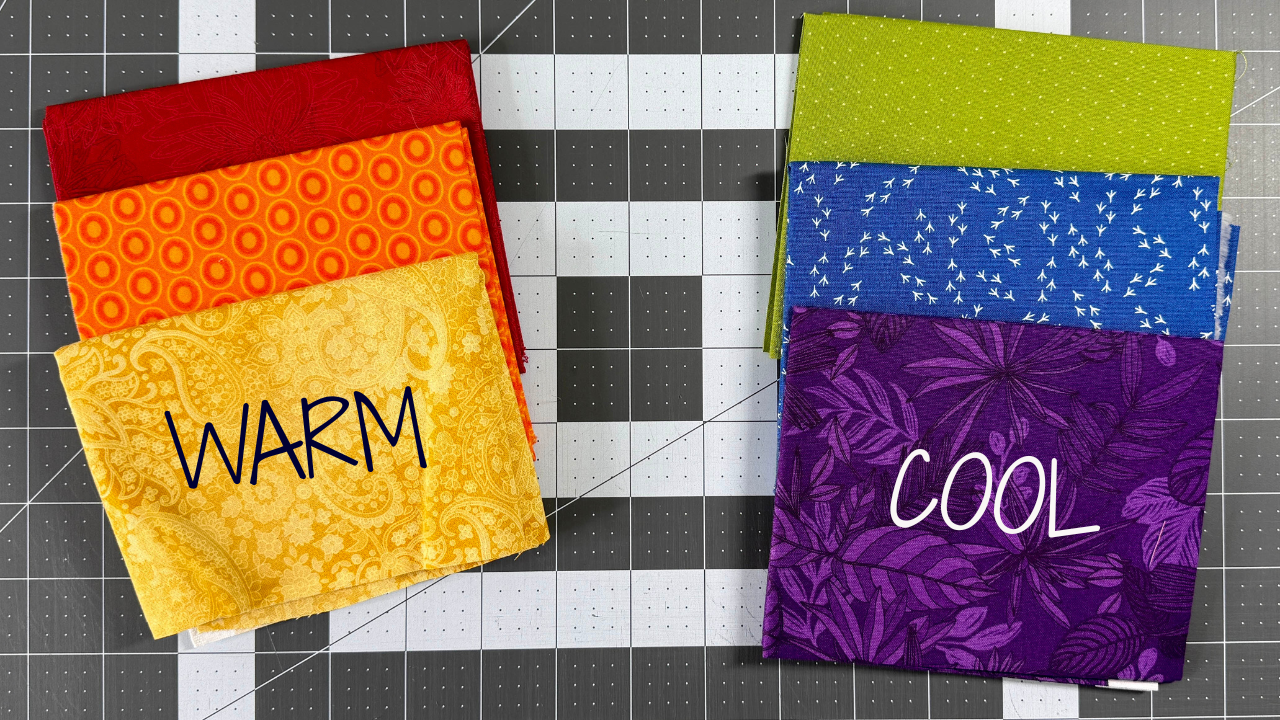
Every hue on the color wheel falls into one of two temperature camps.
Warm colors: red, orange, and yellow. Cool colors: green, blue, and purple.
That's the starting point. Some hues lean warmer or cooler depending on what's mixed into them, but for a quick fabric pull, this split gets you most of the way there.
Why Temperature Changes the Feel of a Quilt
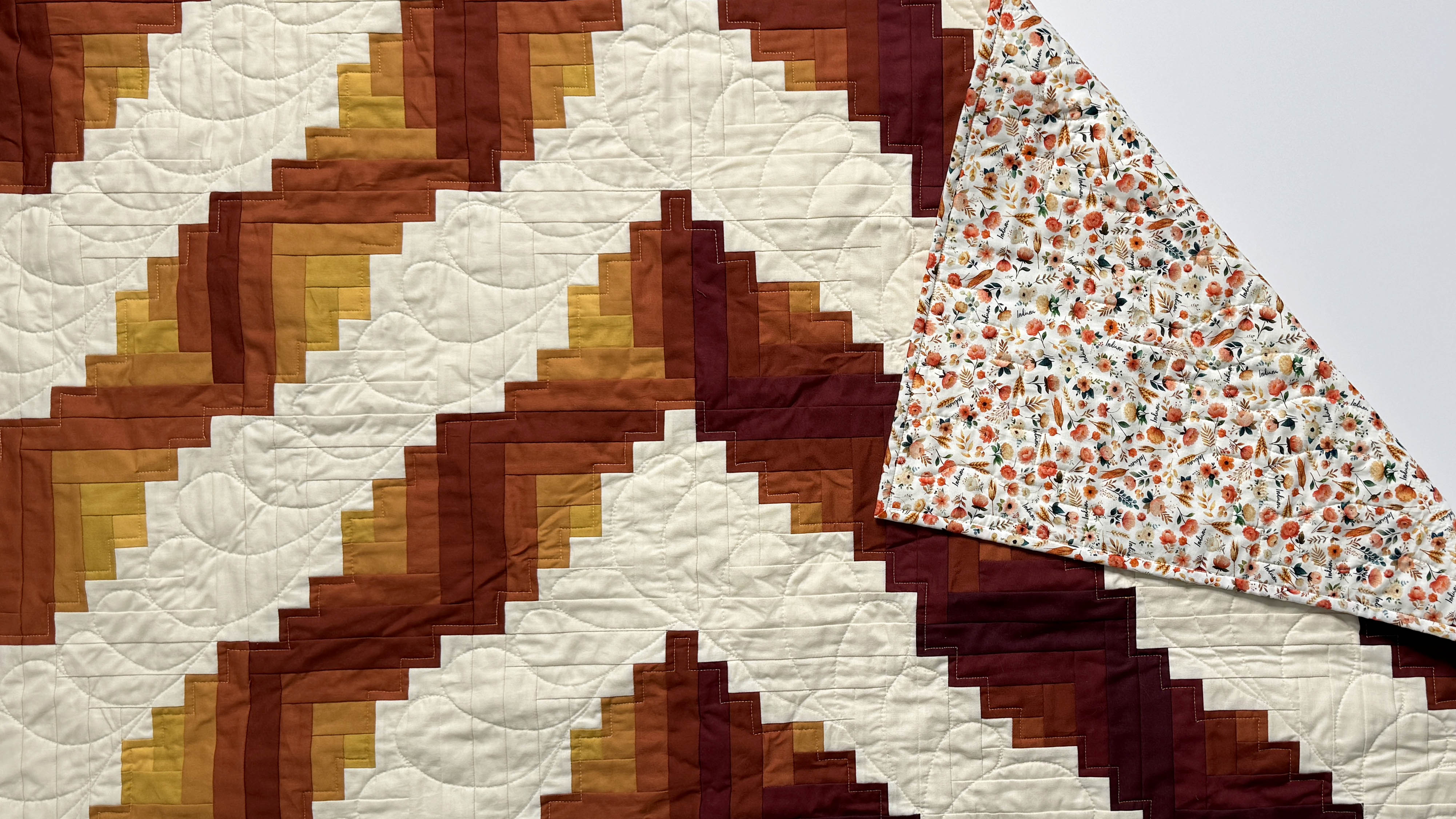
Warm quilts feel energetic and inviting. They pull you in, they say sit down and stay a while, and they photograph beautifully against a neutral couch on a cold day.
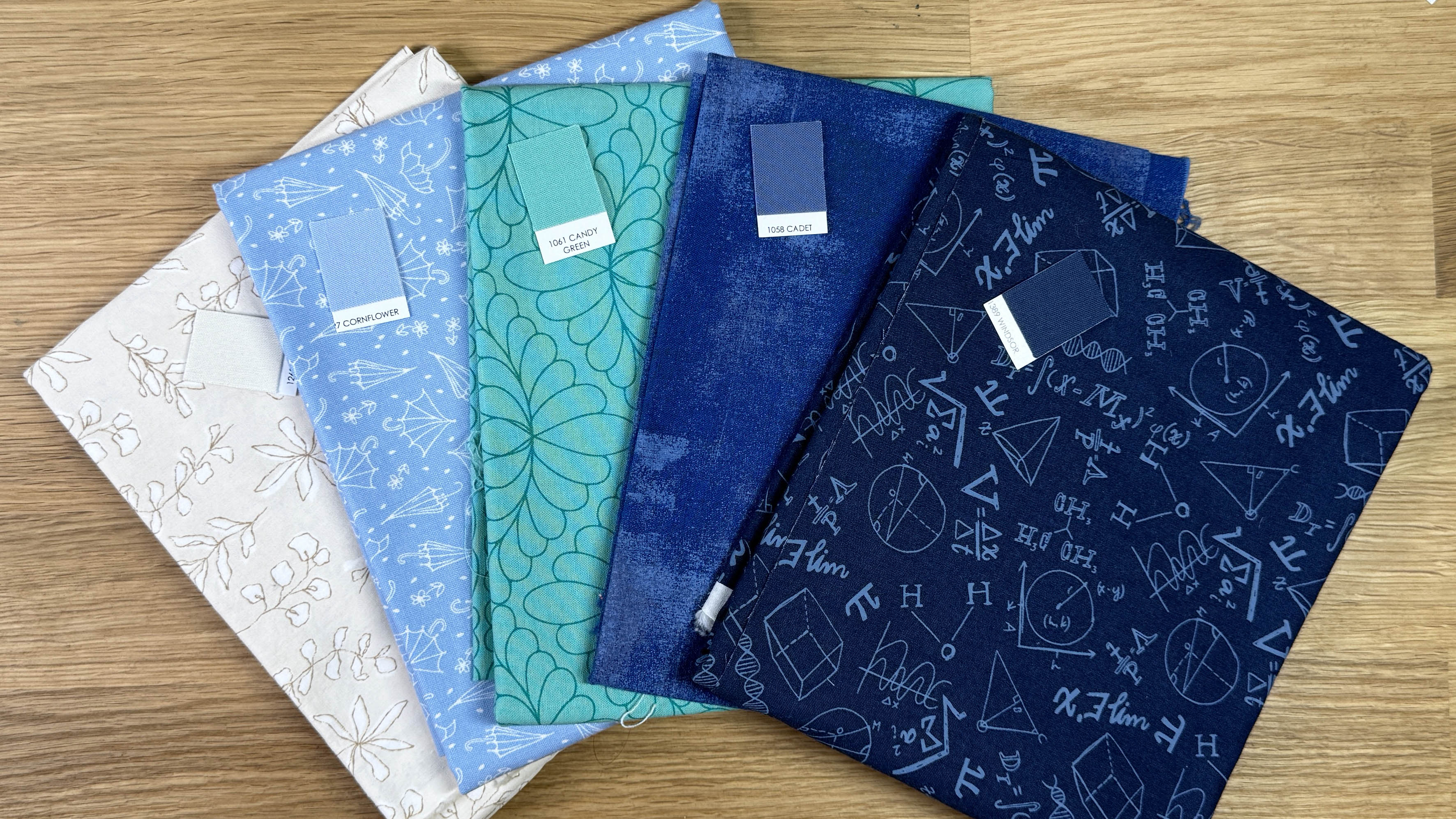
Cool quilts feel calm and quiet. They're the ones you reach for when you want serene, not stimulating. Think nursery quilts, meditation spaces, a guest room meant for rest.
Neither is better. They're just doing different jobs.
The Quick Way to Check Your Fabric Pull
Before you cut a single piece, lay your fabric pull out on a table.
- Sort each fabric into a warm pile or a cool pile.
- Step back and look at the balance.
- If one pile is nearly empty, you've got a strong lean, on purpose or by accident.
That's it. Takes two minutes, and it tells you exactly what kind of quilt you're actually building, whether or not that's the one you meant to build. Leaning one way or another isn't a wrong answer. It could be a way to add a pop to your quilt. Mixing them evenly isn't a wrong answer. It means you're looking for a more balanced look.
Leaning One Direction on Purpose
Once you can see the lean, you can use it.
Making a gift quilt for someone who loves a cozy, lived-in feel? Lean warm. Piecing a nursery quilt or something for a calm, restful space? Lean cool. Working on a fall themed project? Warm, obviously. A beach house throw? Cool.
The point isn't to avoid mixing warm and cool. It's to know which one is doing the heavy lifting, so the quilt ends up feeling like you want.
Temperature follows you all the way to the quilting, too. Here's how it plays out in variegated thread.
Mixing Temperatures for Contrast
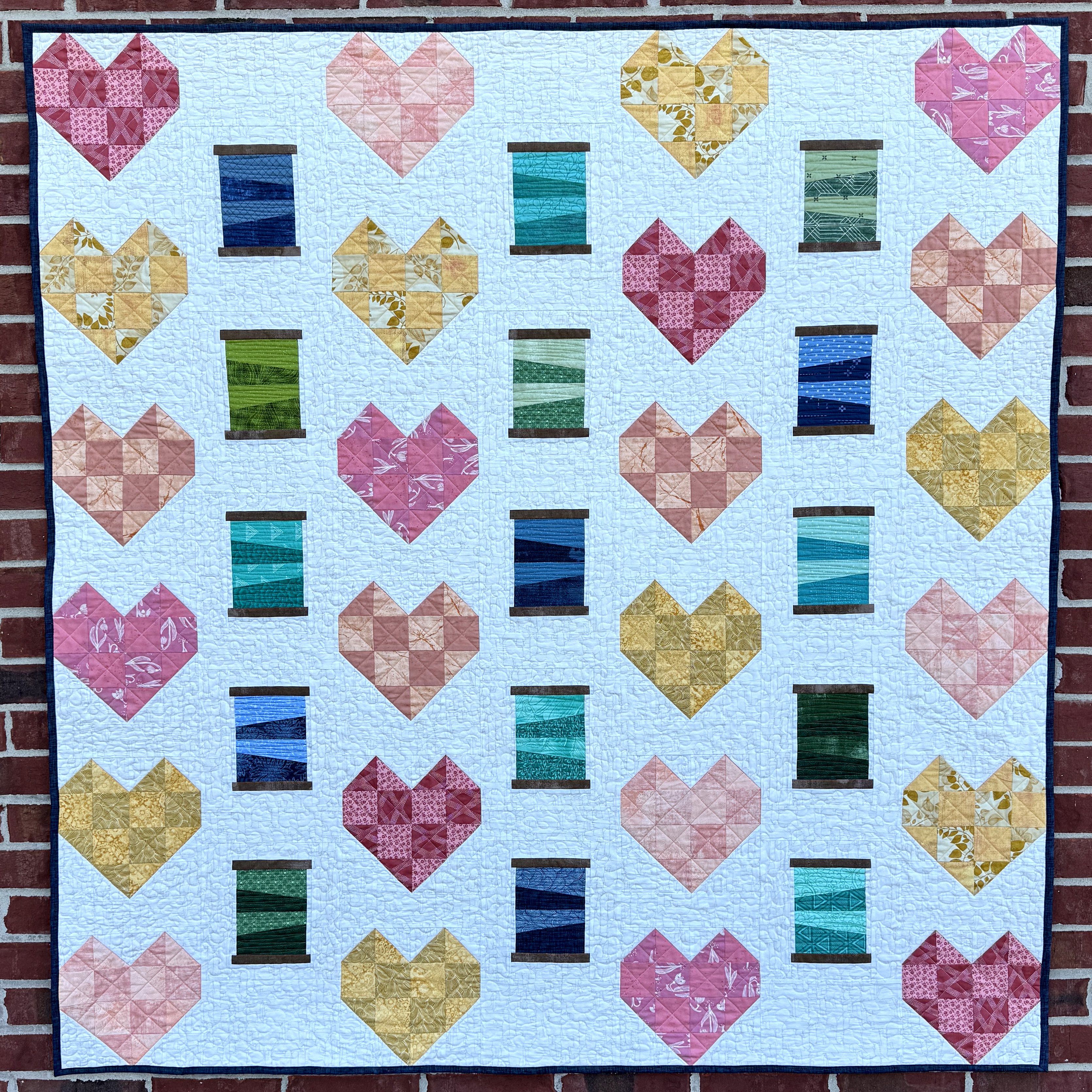
Sometimes you want both temperatures at once, on purpose, and a full even split can do more than a single accent ever could. In my Love & Thread quilt pattern, every heart block is pieced in warm fabrics and every thread spool block is pieced in cool ones. The two temperatures alternate across the whole quilt instead of blending together, so the eye keeps moving between stay a while and settle down, block after block.
That kind of split only works because it's consistent. Warm always means heart, cool always means spool. The pattern is what keeps it from reading as random, and it's the same rule whether you're doing a full alternation like this one or dropping in a single warm accent on an otherwise cool quilt. On purpose is what makes it read as a choice instead of indecision.
Next time you're staring at a fabric pull that isn't quite working, sort it into warm and cool piles first. Half the time, that's the whole problem, staring back at you in two neat stacks.
Learn More About Quilting & Color
I had a rough start with color. I once threw away a whole quilt top, about $180 of fabric, because the colors didn't work. So I dove in and learned everything I could about color. Now I teach it in The COLOR CO/OP, a color club for quilters. Each month you learn one color lesson and sew it into a block, so you can stop copying the pattern's colors and pick your own.
Doors open Black Friday, and the first 100 members get a founding rate of $9 a month. Join the waitlist to hear first when enrollment opens.