When quilters talk about ways to speed up the quilting process, one technique comes up again and again: strip piecing.
It’s one of those fundamental quilting skills that experienced quilters depend on all the time, but newer quilters often don’t discover it until they encounter it in a pattern or class. And once you learn it, you might wonder how you ever quilted without it.
Strip piecing can help you sew quilt blocks more quickly, keep your units more uniform, and make certain quilt patterns much simpler to assemble. But like most quilting techniques, it works best when you understand how it functions and what to watch for.
Let’s take a look at what strip piecing is and why it’s such an important skill to have in your quilting toolbox.
What Is Strip Piecing?
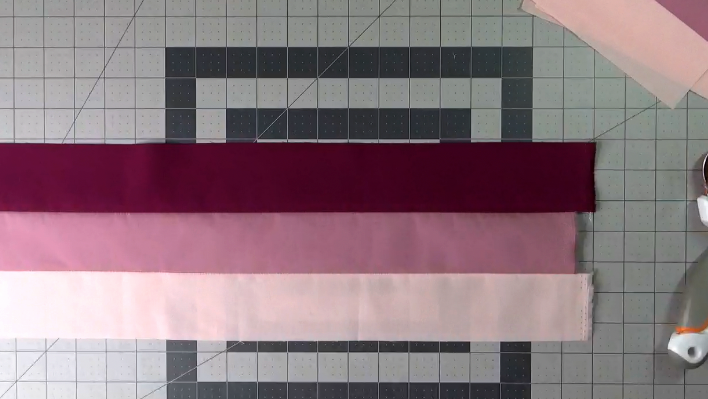
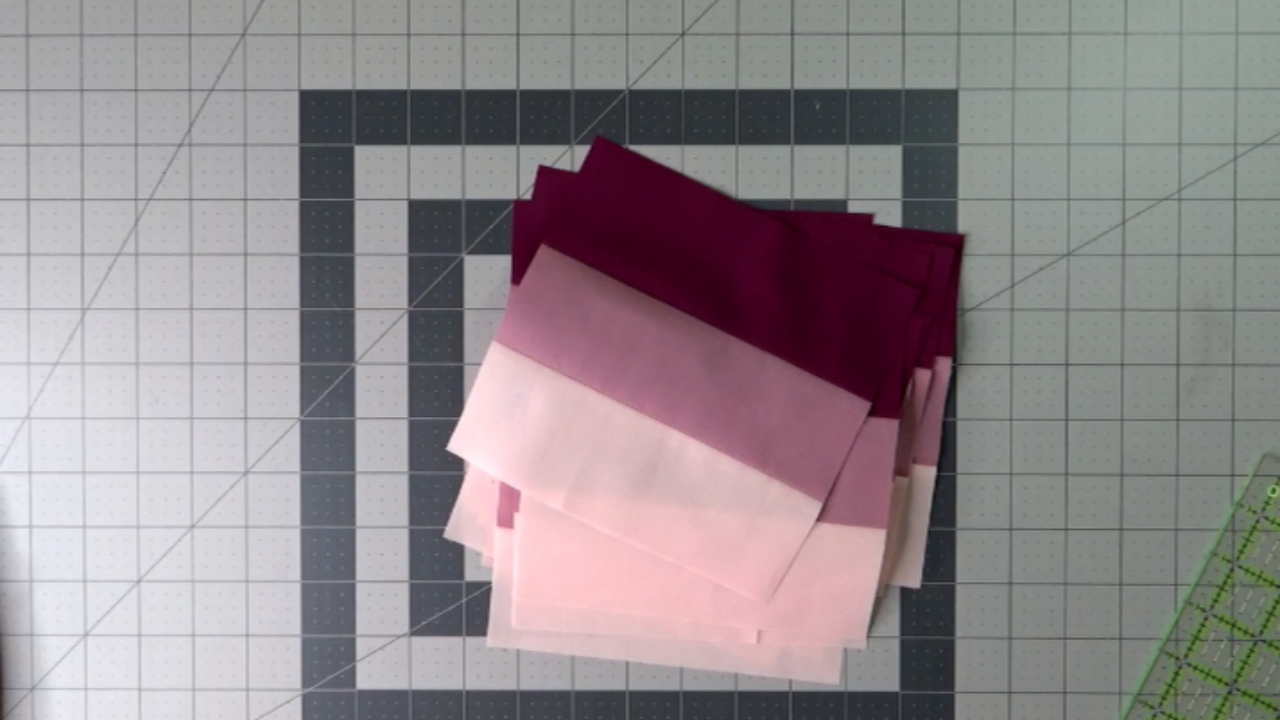
Strip piecing is a quilting method where you sew long fabric strips together first, then cut those strips into smaller pieces for your quilt blocks. Instead of sewing many small pieces one at a time, you make what quilters call a strip set. After sewing and pressing the strips, you cut across them to produce multiple units at once.
It’s a simple idea, but it can completely alter how you approach piecing certain quilt blocks. Many classic quilt designs depend on strip piecing to speed up construction and make it more efficient.
Why Quilters Love Strip Piecing
There’s a reason strip piecing shows up in so many quilt patterns.
It saves time
If a quilt block uses the same fabric combination repeatedly, strip piecing allows you to make multiple units at once instead of sewing them one by one. For quilts with many repeated blocks, this can significantly reduce the overall time to finish the project.
It helps create consistent units
Since the fabrics are sewn together before cutting, the pieces you make tend to be more uniform. When your units are consistent in size, assembling quilt blocks becomes much easier. Accurate units ensure everything lines up correctly when it’s time to sew your blocks together.
It’s used in many classic quilt blocks
Once you start recognizing strip piecing, you’ll notice it everywhere. It’s often used in blocks such as nine-patch, rail fence, log cabin, and many jelly roll patterns. Learning this technique opens the door to many quilt patterns you might want to try.
A Common Strip Piecing Mistake Beginners Make
Strip piecing is straightforward in theory, but beginners often face one frustrating issue. They sew their strip sets, press their seams, and suddenly the strips aren’t the width the pattern indicates. If that’s ever happened to you, you’re not alone.
Usually, the issue comes down to one of three things:
- The strips weren’t cut to the correct width
- The seam allowance wasn’t a consistent ¼″
- The strip set stretched slightly while sewing or pressing
The tricky part is that when you’re strip piecing, a small mistake repeats itself across every seam in the strip set. The good news is that once you learn what to watch for (and how to fix it), strip piecing becomes a very dependable technique. It’s one of those skills that gets better quickly with just a bit of guided practice.
Why It’s a Skill Worth Learning
Strip piecing is one of those quilting techniques that seems simple at first but becomes incredibly useful as your quilting skills grow. Once you understand how it works, you’ll start spotting opportunities to use strip piecing in many different quilt patterns. And when you do, you’ll often find that your quilts come together faster and more smoothly.
It’s also a great way to practice some of the core skills that make quilting easier overall:
- Accurate cutting
- Consistent seam allowances
- Good pressing habits
Those skills carry over into every quilt you make.
Want to Practice Strip Piecing With Guidance?
Learning a technique like strip piecing is helpful, but it’s even better when you get to practice it within an actual project. That’s exactly what we’re doing in the Skill Builder Quilt Along.
Throughout the quilt along, we concentrate on foundational quilting skills like strip piecing, which repeatedly appear in quilt patterns. Instead of just reading about them, you’ll be able to practice the techniques step-by-step while creating quilt blocks. It’s an excellent way to build confidence, improve accuracy, and learn skills that make sewing future quilts easier.
If you want to learn more about the quilt along and see if it suits you, all the details are available on the Skill Builder QAL home page.
A Peek at the Skills You’ll Build
Strip piecing is one quilting technique that can make your projects easier and more enjoyable to sew. Inside the Skill Builder Quilt Along, we focus on the kinds of techniques that appear repeatedly in quilt patterns: skills that help you feel more confident each time you sit at your sewing machine.
As you work through the quilt blocks, you’ll practice techniques like:
• Strip piecing to accelerate block assembly
• Creating precise patchwork units that fit together seamlessly
• Enhancing seam consistency so your blocks finish at the correct size
• Using pressing techniques that keep your patchwork flat and easy to assemble
• Building blocks step-by-step to make the process manageable instead of overwhelming
Each block is designed to help you practice these skills in a way that builds confidence as you go. By the time you finish the quilt, you won’t just have a beautiful project; you’ll also have a stronger foundation of quilting skills that you can use in future patterns.
If that sounds like something you’d enjoy, you can find out more on the Skill Builder QAL home page.